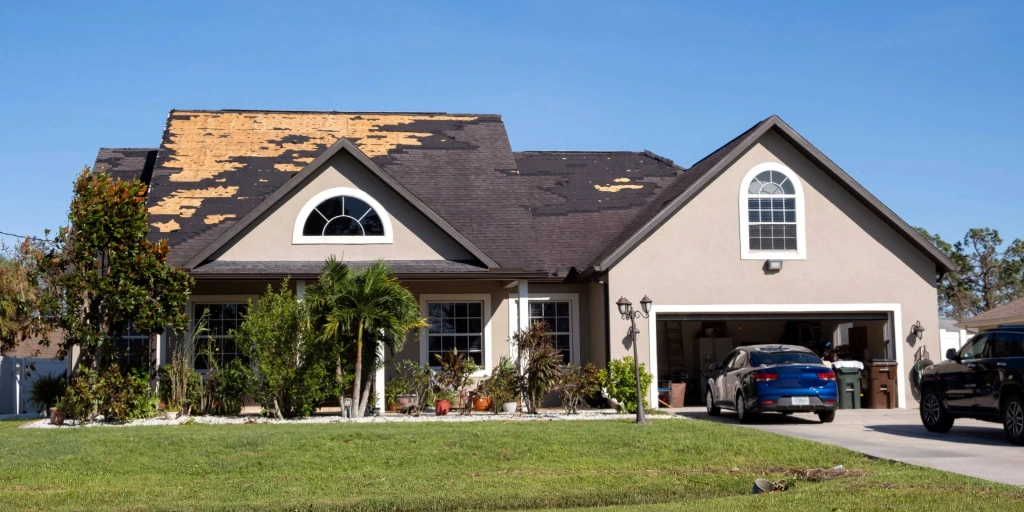
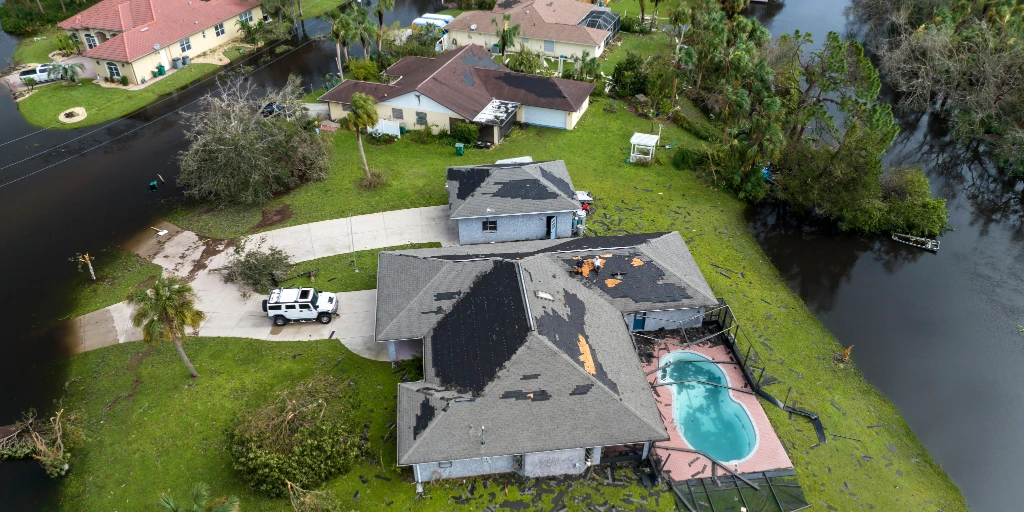
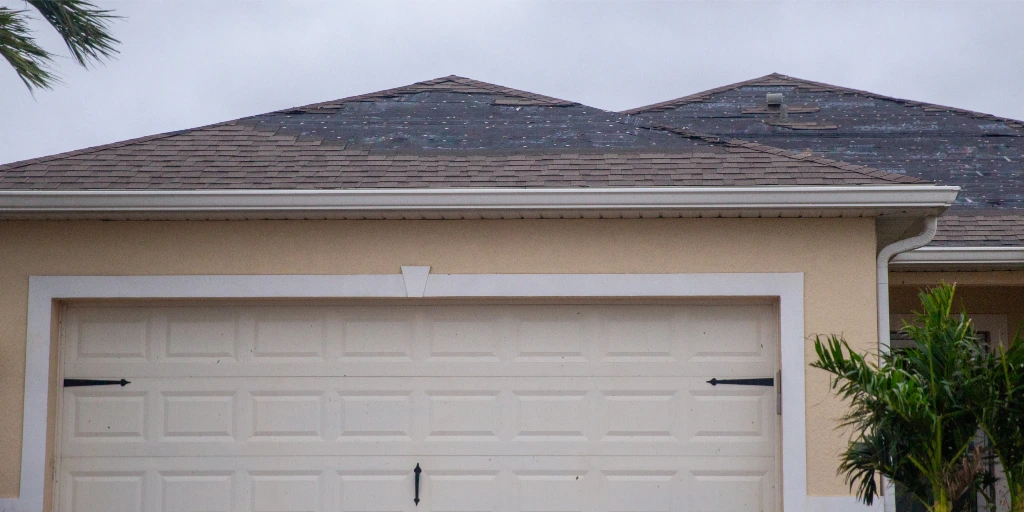
When storm damage strikes your Central Florida home, understanding local building codes can save you thousands of dollars and prevent compliance headaches. Alan’s Roofing has guided homeowners through Florida’s 25% roof-replacement rule for over 35 years and will explain what it means for your property.
Whether you’re dealing with hurricane damage or planning routine repairs, knowing when repairs trigger full roof replacement helps you budget, plan, and work with insurance. Many only learn about this after facing an unexpected full replacement for minor damage.
What is Florida’s 25% Roof Replacement Rule?
Florida’s 25% roof rule states that if repairs affect more than 25% of your roof within 12 months, the entire roof covering must be replaced to comply with the current Florida Building Code (FBC). This rule applies regardless of whether damage results from a single storm or multiple repairs over the year.
Once over 25%, Florida Building Code Section 706.1.1 requires you to upgrade the roof covering to current standards—no spot repairs allowed. Upgrades may include underlayment, flashing, and changes to fastening.
It’s important to note that this rule applies to the roof covering, not automatically to the structural deck. Deck replacement is only required if the existing decking is damaged or does not meet current fastening standards.
Florida Building Code requirements may vary depending on local amendments, permit scope, and the building official’s interpretation. Code references in this article are provided for general informational purposes. Final repair or replacement requirements are determined by the local building department at the time of permitting.
When Did This Rule Take Effect?
The 25% rule has been part of Florida’s building regulations since the early 2000s, following statewide code reforms after Hurricane Andrew. Over time, enforcement became more consistent as Florida strengthened its wind mitigation standards.
Exceptions to the Rule
Senate Bill 4-D (May 2022) aims to reduce unnecessary homeowner costs.
- Roof permitted after March 1, 2009: You are likely exempt. Only repair the damaged area, even if over 25%.
- Roof permitted before March 1, 2009: If damage exceeds 25%, full section replacement is required by code.
Check your permit date to see if the rule applies.
How the 25% Calculation Works
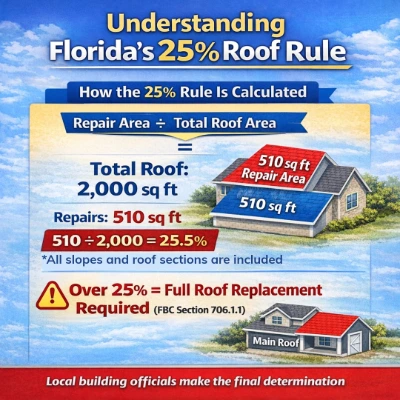
Building officials calculate the percentage by dividing the square footage of the roof area being repaired or replaced by the total roof covering area. All slopes and sections of the roof covering are included in this total.
For example, if a roof measures 2,000 square feet and repairs affect 510 square feet, the work exceeds the 25% limit and triggers a required roof covering replacement under FBC Section 706.1.1.
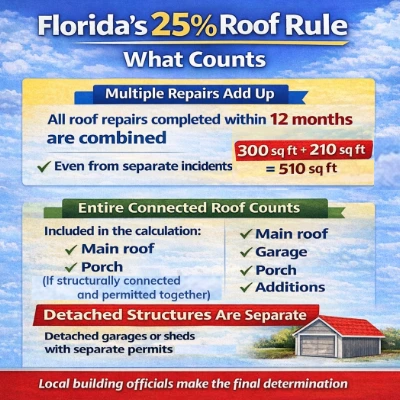
Roof repairs from multiple projects within the same 12-month period are added together, even if they stem from separate incidents.
Counting Multiple Roof Sections
The 25% calculation applies to the entire roof covering system. Garages, porches, and additions are included if structurally connected and permitted together.
Detached structures with separate permits and roof systems are evaluated independently. Local building officials make the final determination based on construction and permits.
Time Frame Considerations
The 12-month rolling period creates a moving window for calculations. If you completed repairs on March 15 of one year, any new repairs starting March 16 of the following year begin a fresh calculation period. However, if you need additional work on March 1 of the following year, it still falls within that original 12-month window.
Smart timing of roof work can help property owners manage costs, though you should never delay necessary repairs to avoid triggering the rule, as water intrusion and secondary damage often cost far more than the roof replacement itself.
Does This Apply to Your Roof Type?
The 25% rule applies to all roof types in Florida, including asphalt shingles, metal, tile, TPO, and modified bitumen. Residential homes, commercial buildings, and mixed-use properties all fall under this requirement. However, the specific code requirements you must meet during replacement vary, based on your roof type and when your home was originally built.
Shingle roofs must meet current wind rating standards, typically requiring upgraded underlayment and enhanced nailing patterns. Metal roofs need proper fastener spacing and panel attachment methods that meet current specifications. Flat roofing systems on commercial properties must comply with membrane attachment requirements and drainage standards. Tile roofs present unique challenges because the tiles themselves may still have useful life remaining, but the underlayment beneath often needs replacement to meet current code, effectively requiring a complete tear-off and reinstallation.
Residential vs. Commercial Properties
The 25% rule applies to both residential and commercial roof coverings. The difference lies in how compliance is reviewed.
Commercial properties may require:
- More detailed permit documentation
- Product approvals
- Engineering review only when triggered by building size, height, occupancy, or location
Residential properties generally follow a more streamlined permitting process, though homes in coastal or high-wind zones face stricter attachment and material requirements.
Insurance Coverage and the 25% Rule
Insurance companies recognize Florida’s 25% rule, but coverage for a full roof replacement depends on your policy.
If repairs exceed 25% and the building code requires replacement, coverage for the additional work is typically tied to Ordinance or Law coverage within the homeowner’s insurance policy. Ordinance or Law coverage helps pay for upgrades required by current building codes, not just the damage itself. Without this coverage, the insurer may only pay for the damaged portion, leaving the homeowner responsible for the code-required upgrade.
Because insurers may estimate damage below the 25% threshold, having an independent roof inspection from a licensed contractor can help verify measurements and support claim disputes. Clear documentation—photos, diagrams, and written calculations—plays a major role in claim outcomes.
Documentation Requirements
Thorough documentation helps when claiming under the 25% rule. Photograph damage before making temporary fixes. Get a written estimate with measurements from a licensed roofer. Keep records of all repairs from the past year, as adjusters use this to determine cumulative damage.
If you disagree with the adjuster’s calculation or your claim is denied, you can hire a public adjuster or request a re-inspection. Many homeowners don’t realize they can challenge initial insurance assessments, but having professional documentation from a reputable contractor like Alan’s Roofing provides the evidence needed to support your claim.
Permit Requirements and Inspection Process
Any roof replacement that exceeds 25% of the total roof covering area requires a building permit in Port Charlotte and throughout Central Florida. Smaller repairs may also require permits depending on the scope of work and local jurisdiction.
Temporary emergency services, such as tarping, typically do not require permits, but permanent repairs do. While contractors handle the permitting process, homeowners remain responsible for compliance. Unpermitted roof work can create issues during insurance claims, home sales, or refinancing.
Inspection Timeline
Roof replacement inspections vary by municipality. Most projects include:
- A deck or dry-in inspection (when required)
- A final inspection after installation is complete
Some jurisdictions conduct additional inspections depending on roof type, location, or wind zone. Experienced contractors familiar with local inspectors help keep projects moving without avoidable delays.
Financial Planning and Financing Options
A full roof replacement costs significantly more than localized repairs. In Central Florida, complete residential roof replacement costs between $8,000 and $25,000 or more, depending on home size, roof complexity, and material choices. When the 25% rule unexpectedly triggers a full replacement, this expense can strain household budgets.
However, several financing options help homeowners manage costs. Alan’s Roofing partners with Regions Bank to offer financing solutions that make unexpected roof replacement more manageable. These programs frequently offer competitive interest rates and flexible payment terms that suit a range of budgets. Some homeowners use home equity lines of credit or cash-out refinancing to fund roof replacement, especially if other home improvements are also planned.
Comparing Repair vs. Replacement Costs
Understanding cost differences helps with decision-making when you’re close to the 25% threshold. A repair affecting 20% of your roof might cost $4,000 to $6,000, while a full replacement could cost $15,000 to $20,000. However, if damage is at 24% and you know additional repairs are likely within the next year, proceeding with full replacement might be more cost-effective than paying for repairs now and facing mandatory replacement later.
A new roof also increases property value, improves energy efficiency, and comes with manufacturer warranties covering materials and often workmanship. When factoring in long-term costs, insurance savings from wind mitigation credits, and improved home protection, full replacement often provides better value than piecemeal repairs on aging roof systems approaching the end of life.
Storm Damage and Emergency Repairs
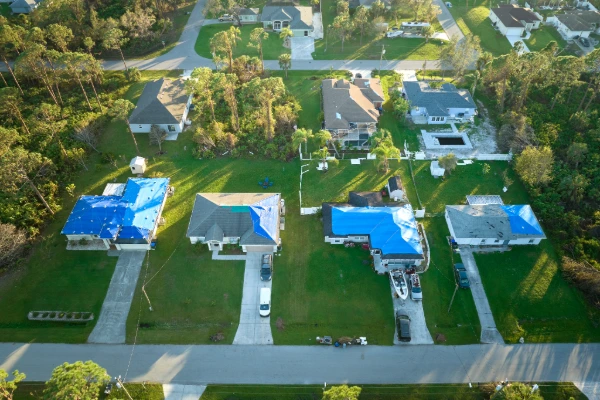
Hurricane season brings unique challenges related to this rule. After major storms, many Central Florida homeowners discover damage that triggers mandatory replacement. Wind damage, fallen trees, and flying debris often affect more than 25% of roof surfaces. Emergency repairs focus on preventing additional water intrusion through tarping and temporary protection, but permanent repairs must comply with the 25% rule.
Following widespread storm events, building departments sometimes face permit application backlogs that delay project starts. Insurance claim processing also slows during these periods as adjusters handle high claim volumes. Planning ahead by identifying qualified contractors before storm season helps expedite repairs when damage occurs. Homeowners should also document roof condition before storms with photographs and recent inspection reports, which streamlines insurance claims if damage occurs.
Working With Qualified Contractors
Choosing the right roofing contractor is even more critical when the 25% rule applies. Licensed contractors understand code requirements, handle permit applications, coordinate inspections, and document work properly for insurance purposes. Alan’s Roofing maintains all required state and local licenses, carries full insurance, and employs trained crews—not subcontractors—who understand Florida Building Code requirements.
Contractors should provide detailed written estimates that clearly show square-footage calculations and explain whether the proposed work triggers the 25% threshold. Be wary of contractors who suggest ways to avoid permit requirements or improperly calculate percentages to keep repairs under 25%. These shortcuts create liability for you as the property owner and can result in failed inspections, insurance claim denials, or costly corrections later. A reputable contractor prioritizes code compliance and your long-term protection over short-term cost savings from improper repairs.
Take Control of Your Roofing Decision
Understanding Florida’s 25% roof replacement rule empowers you to make informed decisions about your property. Whether you’re facing storm damage, planning routine repairs, or considering roof upgrades, knowing when this regulation applies helps you budget appropriately and work effectively with contractors and insurance companies.
The rule exists to protect your home and family through stronger, safer roofing systems that withstand Central Florida’s challenging climate. While a full roof replacement represents a significant investment, modern installation methods and materials provide decades of reliable protection and often qualify for insurance discounts that offset costs over time.
Contact Alan’s Roofing today for a free roof inspection and honest assessment of your roof’s condition. Our experienced team will accurately calculate whether planned repairs trigger the 25% rule, explain your options, and provide detailed estimates that help you make the best decision for your home and budget. With over 35 years of serving Port Charlotte and Central Florida, we understand local code requirements and work directly with building departments to handle permitting and inspections. Don’t wait until storm damage forces emergency decisions. Schedule your complimentary roof evaluation now.