If you live in Florida, you know that hurricane season doesn’t wait for you to get ready. At Alan’s Roofing, we see it every year: Homeowners scramble to address roof issues after a storm has already done its damage. A professional roof inspection service before hurricane season can mean the difference between a small repair and a complete roof replacement. This guide walks you through what to check, when to schedule your inspection, and why getting ahead of the season is one of the smartest moves you can make as a Florida homeowner.
Why Pre-Hurricane Roof Inspections Matter in Florida
Florida’s storm season lasts from June through November, peaking between August and October. That six-month window brings heavy rain, strong winds, and a real risk of hurricanes. Your roof is your home’s first line of defense. Even if a roof looks fine from the street, it may have hidden issues—like loose flashing, cracked shingles, or damaged underlayment—that only a trained eye spots. Scheduling a roof inspection before hurricane season gives you time to fix problems on your terms, not in a rush after the storm.
How Often Should You Get a Roof Inspection in Florida?
Most roofing professionals recommend at least one inspection per year for Florida homes, and ideally two: One before hurricane season in the spring and one after it ends in late fall. Florida’s climate is harder on roofs than most parts of the country. The combination of intense UV exposure, humidity, heavy rain, and wind cycles accelerates wear in ways that might not be visible without a proper inspection. If your roof is older than 10 years, annual inspections become even more important. Catching small issues early prevents them from becoming major storm-damage repair projects down the road.
When Is the Best Time to Schedule a Roof Inspection?
The best time for a pre-hurricane roof inspection is March to May, before hurricane season starts on June 1. This gives contractors enough time to finish repairs before severe weather. Roofing companies get very busy once storm season starts, so booking early means shorter waits and more flexibility. Early scheduling lets you gather quotes and make decisions, whether you need small repairs or a full roof replacement.
What Does a Pre-Hurricane Roof Inspection Check For?
A pre-hurricane roof inspection goes beyond just visually inspecting shingles. A certified contractor checks exterior and interior roof components for areas that may fail in high winds or heavy rain.
Shingles and Surface Material
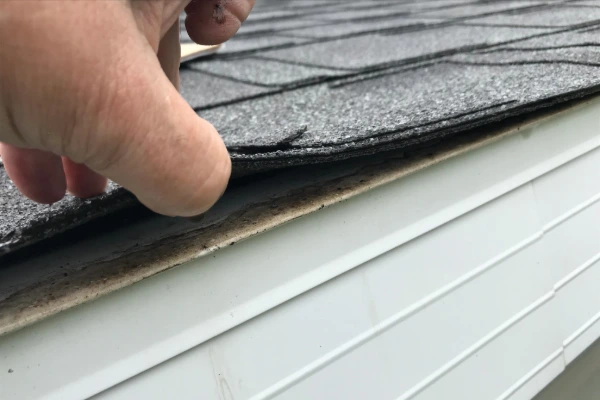
The inspector will look for cracked, curling, buckling, or missing shingles. Shingle roofing that’s deteriorating at the surface is much more vulnerable to wind uplift during a hurricane. They’ll also check for granule loss, which is a sign that asphalt shingles are aging and losing their protective capacity.
Flashing and Seals
Flashing around chimneys, vents, skylights, and roof edges is one of the most common entry points for water. If the flashing is lifting, rusting, or improperly sealed, water infiltration during a storm can cause significant interior damage.
Gutters and Drainage
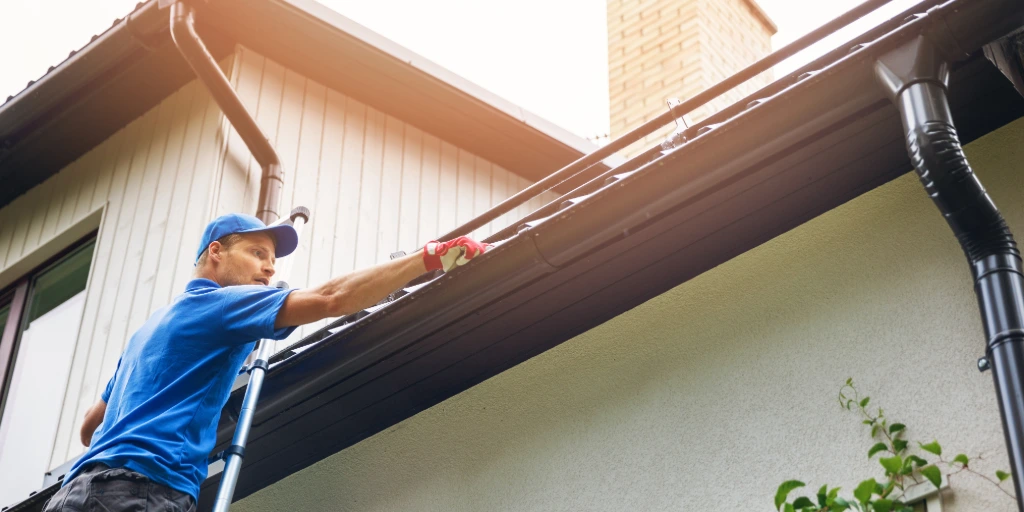
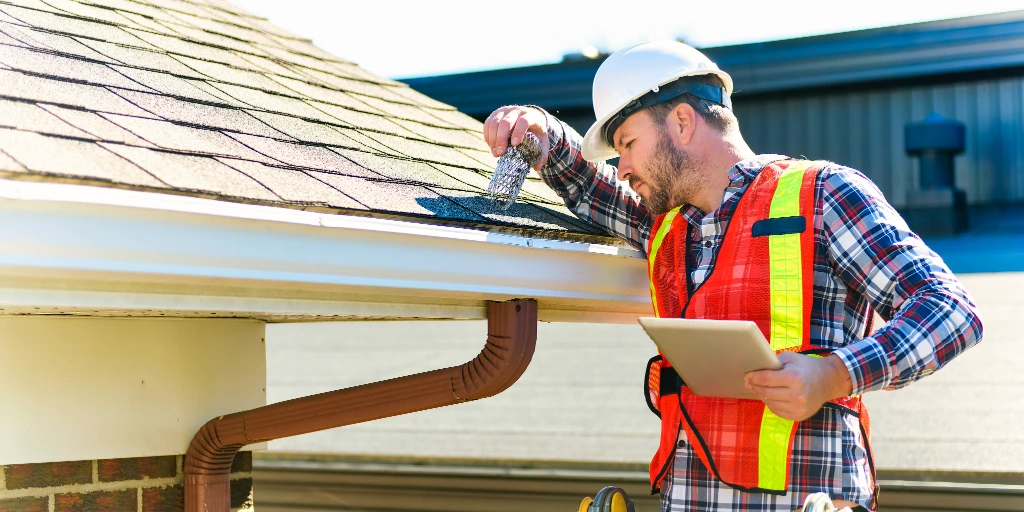
Clogged or damaged gutters can lead to pooling of water beneath the roofline, which may result in rot and structural issues. The inspector will check the drainage system to make sure it’s functioning properly and that the gutters are securely attached.
Roof Deck and Underlayment
Below the surface material, the roof deck and underlayment provide the structural foundation. The inspector will look for soft spots, sagging areas, or signs of rot that indicate moisture has already gotten in.
Attic and Interior Signs
A roof inspection isn’t limited to what’s outside. Signs of water staining, mold, or light coming through the attic can reveal leaks or structural issues that aren’t visible from above.
Signs Your Roof May Not Survive Hurricane Season
Not every roof issue requires an emergency response, but some warning signs suggest your roof is at serious risk heading into storm season. If you notice any of the following, contacting a roofing contractor promptly is a smart move.
Visible Sagging or Structural Deformation
Sagging in the roofline or deck is a red flag for structural compromise. This type of damage significantly increases the risk of roof failure during high winds.
Multiple Missing or Damaged Shingles
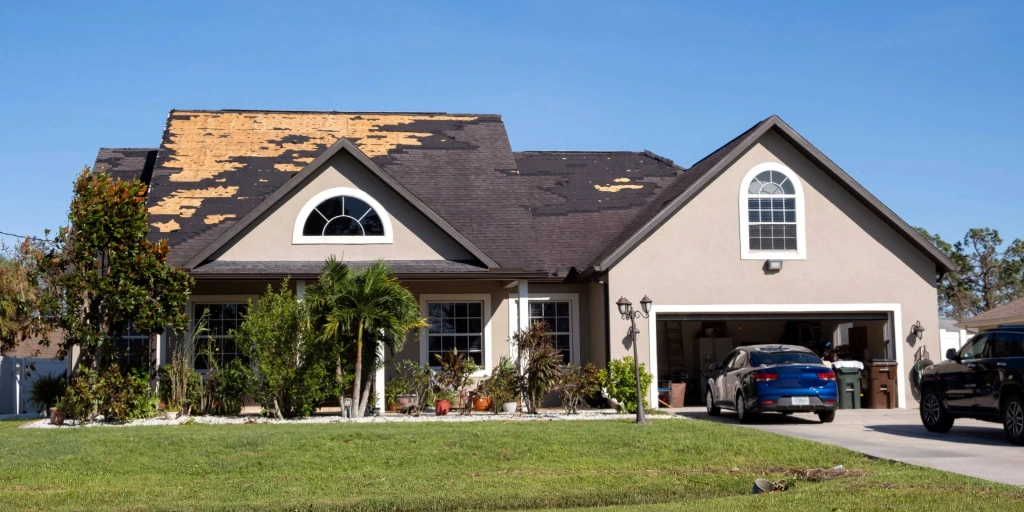
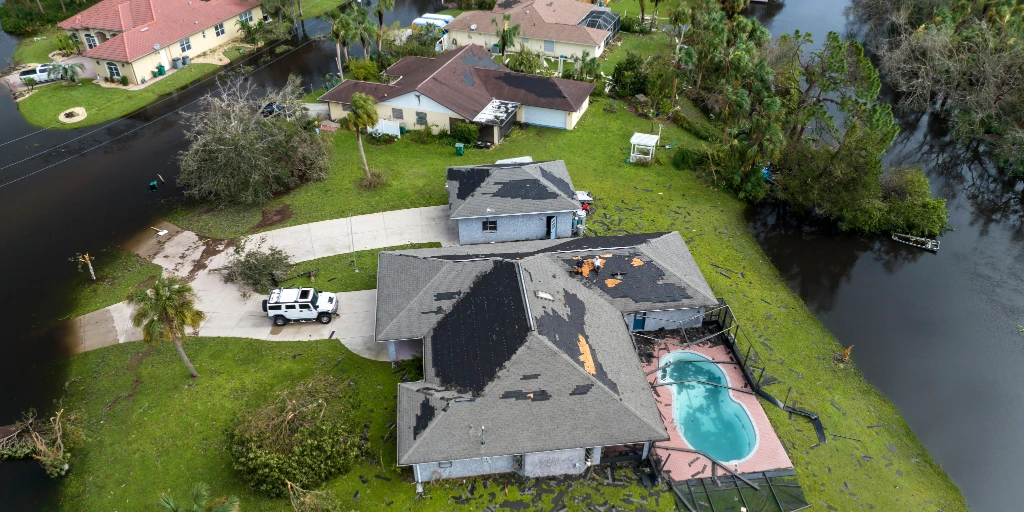
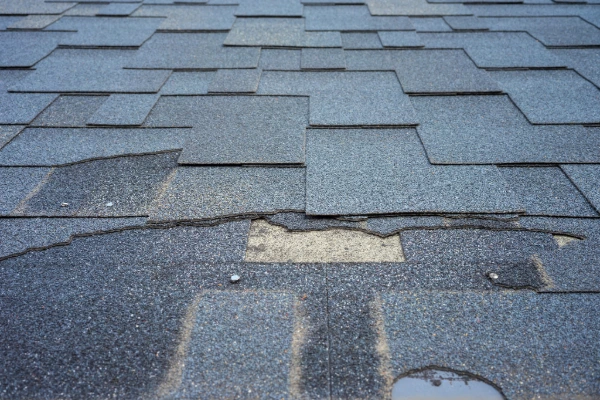
A few missing shingles after a storm may seem minor, but widespread shingle damage means your roof’s weather resistance has been weakened across a broad area. Storm damage roof repair becomes much more extensive when the underlying deck has been exposed.
Age of the Roof
Most asphalt shingle roofs have a 20 to 30-year lifespan, with durability varying based on the materials and how the roof is installed. A roof approaching the end of its life may not be able to withstand a direct hit from a tropical storm or hurricane, even if no individual defects are visible.
Signs of Past Water Damage
Staining on interior ceilings, mold in the attic, or musty odors in upper floors all suggest that water has been finding its way in. If your roof has been leaking, it’s compromising the structural integrity of the deck, and that’s a major liability when hurricane-force winds arrive.
Do You Need an Inspection If Your Roof Is Newer?
This is one of the most common questions homeowners ask. The short answer is yes. Even a newer roof benefits from a pre-hurricane inspection. Installation defects, nail pops, improper flashing, and wind uplift vulnerabilities can all be present on roofs that are just a few years old. A new roof isn’t automatically problem-free. A certified contractor can document your roof’s condition, providing records that may help support an insurance claim after storm damage.
Can a Roof Inspection Help With Your Homeowner’s Insurance Claim?
Yes, and this is one of the most practical reasons to schedule a roof inspection service before storm season. Insurance companies often require documentation of a roof’s pre-storm condition when evaluating claims for roof storm damage. If you have a recent inspection report showing your roof was in good condition before the storm, it becomes much easier to demonstrate that the damage was caused by the storm itself rather than pre-existing neglect. Some insurers may also offer better rates or fewer coverage complications when homeowners can show their roof has been regularly inspected and maintained.
How Much Does a Roof Inspection Cost in Port Charlotte?
Roof inspection costs in Florida vary depending on your home’s size and the scope of the inspection. Many local roofing companies, including Alan’s Roofing, offer free roof estimates that include an assessment of your roof’s current condition. Taking advantage of a free estimate is a no-cost way to get a professional opinion on where your roof stands before hurricane season. If an inspection reveals needed repairs, having those addressed promptly will almost always cost less than dealing with storm damage repair after the fact.
Your Pre-Hurricane Roof Inspection Checklist
Before hurricane season arrives, run through this checklist to make sure your roof is ready:
- Schedule a professional roof inspection service with a licensed roofing contractor.
- Check for missing, cracked, or curling shingles from the ground level.
- Look for visible sagging or dips in the roofline.
- Inspect gutters for clogs, damage, or sections pulling away from the fascia.
- Check the attic for signs of water staining, mold, or daylight coming through.
- Review your homeowner’s insurance policy for roof coverage details.
- Ask your roofing contractor about storm damage repair options and materials.
- Get documentation of your roof’s condition for insurance purposes.
- If repairs are needed, explore roof financing options. Alan’s Roofing works with Regions Bank to provide flexible financing.
Trust a Certified Roofing Contractor in Port Charlotte
When it’s time to schedule your inspection, working with one of the experienced roofing companies that Florida residents rely on makes a real difference. Alan’s Roofing has been serving Port Charlotte and the surrounding region since 1987. As a fully licensed and insured roofing contractor, we employ our own crews — no subcontractors — so you know exactly who is working on your home. We offer residential and commercial roofing services, free estimates, and flexible financing through Regions Bank to make repairs and replacements more accessible.
Don’t wait until a storm is in the forecast. Contact Alan’s Roofing today to schedule your pre-hurricane roof inspection and get peace of mind before the season begins.