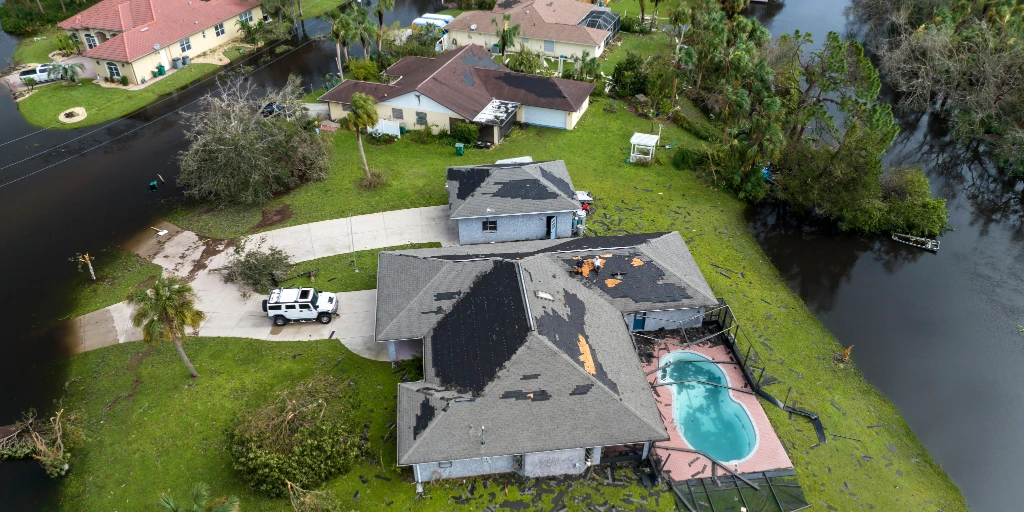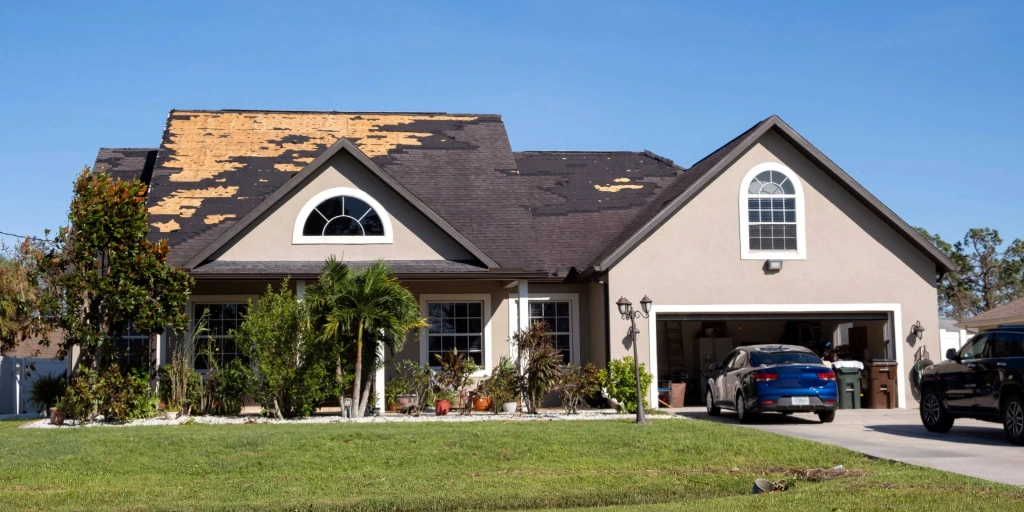
Florida storms don’t play around, and neither does Alan’s Roofing. Whether it’s a passing thunderstorm or a full-blown hurricane, the damage left behind on your roof can range from barely noticeable to dangerously severe. If you know what to look for and act fast, it can make the difference between needing a straightforward repair or a costly full replacement.
How Do I Know If My Roof Was Damaged in a Storm?
After any major storm event, your roof deserves a close look, even if nothing seems obviously wrong from the ground. Some of the most significant storm damage isn’t visible without a careful inspection.
Here are the signs you can check for yourself (safely, from the ground or through your windows and attic):
From the outside:
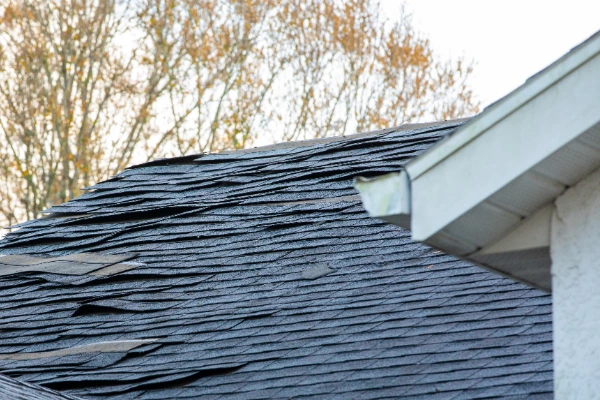
- Missing, curled, or lifted shingles
- Visible granule loss (shingles may look patchy or faded)
- Dented or cracked shingles from hail impact
- Cracked, broken, or displaced concrete or clay tiles
- Dented, lifted, or separated metal roofing panels
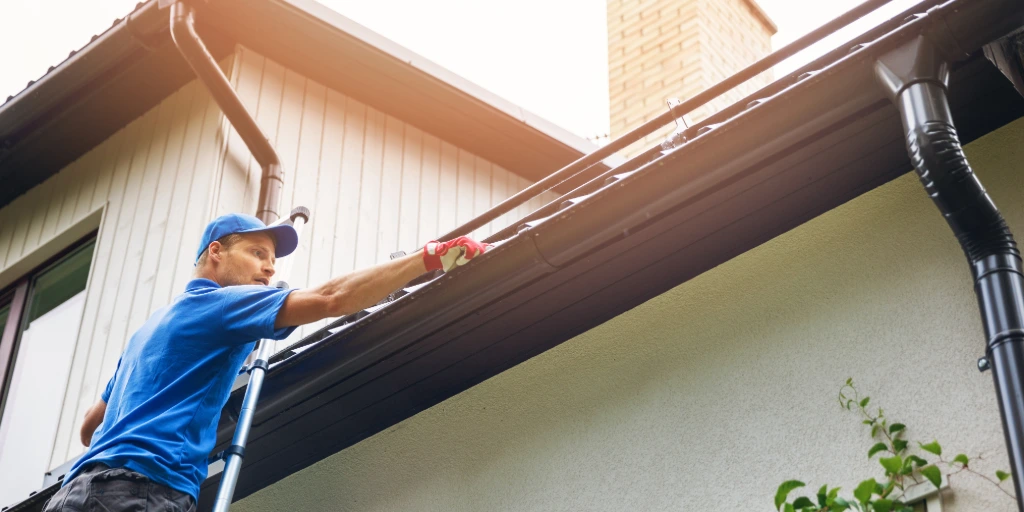
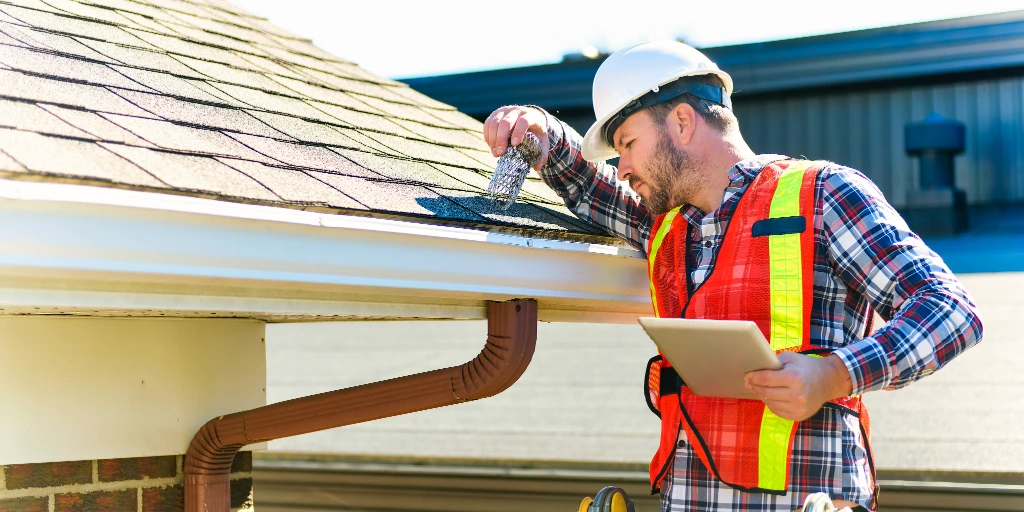
- Debris buildup in valleys or gutters
- Damage to flashing around chimneys, vents, or skylights
- Sagging sections of the roofline
From the inside:
- Ceilings or walls have wet spots or water stains
- Daylight is visible through your attic boards
- A musty smell that wasn’t there before the storm
- Damp or wet insulation in the attic
If you notice any of these warning signs, it’s time to call a professional for a full roof inspection. Some damage isn’t apparent to the untrained eye. What seems to be a minor issue can become a serious problem if left unaddressed.
What Does Wind Damage Look Like on Different Roof Types?
One of the most common causes of roof damage in Florida is wind. High-speed gusts behave differently depending on your roofing material, but the threat is real across the board.
Asphalt shingle roofs:
- Missing shingles — patches of bare decking exposed to the elements
- Lifted or curling shingle edges — shingles that have been partially peeled back
- Creasing or bending — shingles that cracked under wind pressure and now lie flat, but are broken underneath
- Scattered shingles in your yard, driveway, or neighboring properties
Concrete and clay tile roofs:
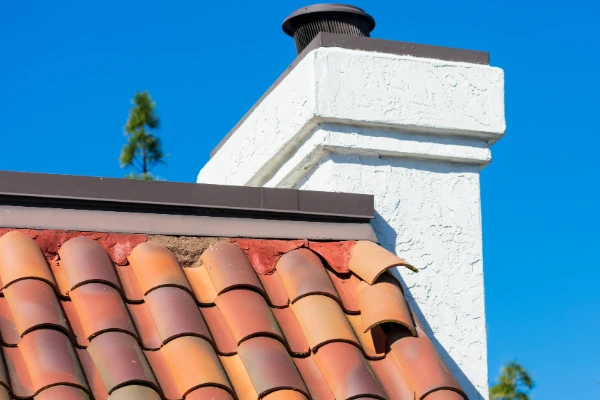
- Cracked or shattered tiles from wind-driven debris impact
- Displaced or missing tiles — wind can shift tiles out of position even when they don’t break
- Exposed underlayment where tiles have blown off entirely
Metal roofs:
- Lifted or separated panels — high winds can break the seam connections between panels
- Dented panels from hail or flying debris
- Loose or missing fasteners that allow panels to shift or flutter
One of the trickier aspects of wind damage — regardless of roofing material — is that it can be invisible on the surface. A tile that looks intact may have cracked beneath the surface; a metal panel that appears secure may have a compromised seam. This is why a professional roof inspection after high winds is so important, not just for what’s obviously broken, but for what’s quietly compromised.
Can I Stay in My Home With a Storm-Damaged Roof?
This depends entirely on the severity of the damage. In many cases, especially when damage is limited to a few missing shingles, a handful of displaced tiles, or a minor panel issue with no active leaking, staying in your home is fine in the short term. That said, it should always be short-term.
Here’s a practical breakdown:
It may be safe to stay if:
- Damage appears minor and isolated
- There’s no active leaking inside the home
- The structure of the roof appears sound
You should strongly consider temporary shelter if:
- There is active water intrusion into living spaces
- Large sections of the roof are missing or exposed
- The roof is visibly sagging or structurally compromised
- Electrical wiring may have been affected by water
When in doubt, err on the side of caution. A water-damaged roof that goes unaddressed can lead to mold growth, structural deterioration, and health hazards far more costly than the original repair. Call a roofing professional as soon as possible to assess the situation.
How Soon After a Storm Should I Call a Roofer?
The short answer: right away.
Florida’s climate doesn’t give you much of a grace period. Humid conditions mean that exposed wood decking and insulation can begin to absorb moisture within hours of a storm. In warm, wet conditions, mold can start to develop within 24 to 48 hours. More secondary damage can accumulate the longer you wait — and the more complicated (and expensive) your repair may become.
A few practical tips for acting quickly:
- Document everything first. Before any repairs begin, photograph all visible damage from the ground. This documentation is important for your insurance claim.
- Call your roofing contractor. Request a professional inspection to assess and properly record the damage.
- Contact your insurance company. Report the damage and begin the claims process. Your contractor can often provide documentation to support your claim.
- Skip the DIY fixes and call for emergency help instead. If your roof has an open or exposed area, don’t risk injury climbing up yourself. Alan’s Roofing offers 24/7 emergency roofing services, including professional tarping, to protect your home until permanent repairs can be made.
In the Port Charlotte area and surrounding communities throughout Southwest and Central Florida, storm damage roof repair requests spike quickly after major weather events. Scheduling your inspection promptly puts you ahead of the rush.
Will My Homeowner’s Insurance Cover Storm Damage Roof Repair?
In most cases, yes. Homeowners insurance typically covers storm damage to your roof, including wind damage, hail damage, and damage caused by falling debris. However, the specifics depend on your policy, so it’s important to review your coverage carefully and report damage promptly.
A few things to keep in mind:
- Act within your policy’s reporting window. Most insurers have time limits on storm damage claims. If you wait too long, your claim could be denied.
- Your deductible applies. Florida policies often have a separate, higher deductible specifically for hurricane or windstorm damage.
- Normal wear and tear is not covered. Insurance covers sudden, storm-related damage — not gradual deterioration due to age or neglect.
- Proper documentation matters. Photographs, a professional inspection report, and repair estimates all support a stronger claim.
The insurance process can be made significantly smoother by working with an experienced roofing contractor. A qualified professional will accurately document the damage, provide a clear scope of work, and communicate with your adjuster in terms they understand.
What’s the Difference Between Storm Damage Repair and a Full Roof Replacement?
Not every storm calls for a full roof replacement, and not every repair is sufficient on its own. Understanding the difference helps you make the right decision for your home or business.
Roof Repair is the right call when:
- Damage is isolated to a specific area (a few shingles, a cracked tile or two, a section of flashing)
- The underlying decking and structure are intact and sound
- Most of the roof has significant remaining life expectancy
- A qualified inspector confirms the roof is otherwise in good condition
Roof Replacement is typically recommended when:
- Storm damage is extensive and affects a large portion of the roof
- The roof is already near or past its expected lifespan
- Multiple repairs over time have compromised the overall integrity of the system
- Insurance determines that the damage warrants full replacement
During a professional inspection, a qualified roofer will assess the full scope of damage, evaluate the condition of the materials and decking, and give you an honest recommendation. At Alan’s Roofing, the goal is always to give clients a clear, accurate picture — not to upsell a replacement when a repair will genuinely do the job, and not to patch something that needs more comprehensive attention.
Does Alan’s Roofing Handle Emergency Storm Repairs?
Yes, and it’s one of the most important services we offer. Alan’s Roofing provides 24/7 emergency roofing services throughout Port Charlotte, Punta Gorda, Englewood, and communities across Central and Southwest Florida. When a storm hits outside of regular business hours, our phones are still answered, and our team is ready to respond.

Emergency roof repair services stabilize your roof immediately, preventing additional water intrusion and protecting your home or business while a longer-term solution is planned. This may include temporary tarping, emergency patching, or rapid repairs to critical vulnerabilities.
We serve residential and commercial clients alike, so whether you own a home in Port Charlotte or manage a commercial property, you have access to the same experienced, licensed team. All of our employees are direct hires — not subcontractors — meaning every crew member on your job is a trained, vetted part of the Alan’s Roofing family.
We’ve been serving Florida property owners since 1987, and storm damage repair is work we take seriously. After nearly four decades in this industry, we’ve seen every kind of storm damage Florida can deliver, and we know how to respond quickly, accurately, and with your long-term protection in mind.
What to Expect When You Contact Alan’s Roofing After a Storm
Here’s a quick look at what the process typically looks like:
- Free inspection — We come out, assess the full scope of damage, and give you an honest evaluation.
- Detailed documentation — We photograph and document everything to support your insurance claim.
- Clear estimate — You’ll receive a straightforward estimate for the work needed, whether that’s storm damage repair or a full replacement.
- Insurance coordination — Our team can work alongside your insurance adjuster to help move your claim forward.
- Quality repairs — Work is performed by our own licensed team using quality materials, including Owens Corning products.
- Financing options — If cost is a concern, we offer roof financing through Regions Bank so that storm damage doesn’t have to wait.
Don’t Wait on Storm Damage
A storm-damaged roof is not a problem that improves with time. Whether you’ve spotted missing shingles, cracked tiles, lifted metal panels, or simply want peace of mind after a rough weather event, the smartest move is to get a professional set of eyes on your roof as soon as possible.
Contact Alan’s Roofing today for a free estimate and let our experienced team help you understand your options before the next storm rolls in.
Alan’s Roofing is a fully licensed and insured roofing contractor serving Port Charlotte and communities throughout Central and Southwest Florida. Established in 1987. Available 24/7 for emergency roofing services.