Your roof works harder than almost any other part of your home, and at Alan’s Roofing, we’ve spent over 30 years helping Central Florida homeowners keep theirs in top shape. A little roof maintenance goes a long way toward avoiding costly repairs down the road. Between intense sun, heavy rain, and hurricane season, Florida roofs face more wear than most, which makes a regular maintenance routine one of the smartest investments a homeowner can make. Whether you have an asphalt shingle roof, a metal roof, or a flat commercial roof, staying ahead of small issues keeps your home protected and your roof lasting as long as possible. This guide breaks down how often to schedule roof maintenance, what to expect during a visit, and how to spot the warning signs that your roof needs attention now rather than later.
How Many Times a Year Should a Roof Be Inspected?
Most roofing professionals recommend an annual roof inspection at a minimum, with a second check-up recommended for Florida homes. Twice a year strikes the right balance between staying proactive and not over-scheduling service visits. A good roof maintenance schedule typically includes one inspection in the spring, before storm season ramps up, and another in the fall, once the heaviest rains have passed. This gives you a clear picture of how your roof held up and lets a contractor catch small problems, like lifted shingles or clogged drainage, before they turn into leaks. Homes with older roofs, or roofs that have already been through a storm, may benefit from more frequent visits.
Does Florida’s Climate Affect How Often You Need Roof Maintenance?
Florida homeowners deal with conditions that most of the country doesn’t, and that changes the math on roof maintenance frequency.
Sun, Humidity, and Heat
Constant sun exposure breaks down roofing materials faster than in milder climates. UV rays dry out asphalt shingles over time, while humidity and heat can accelerate wear on flashing and sealants. A Florida roof care schedule should account for this by including checks for granule loss, cracking, and curling shingles at each visit.

Heavy Rain and Storms
Frequent, intense rainfall puts extra stress on gutters, flashing, and roof penetrations. Standing water buildup of debris can lead to leaks if left unaddressed, so seasonal roof maintenance should always include a look at drainage points and flashing seals, not just the shingles themselves.
Should Maintenance Be Scheduled Before or After Hurricane Season?
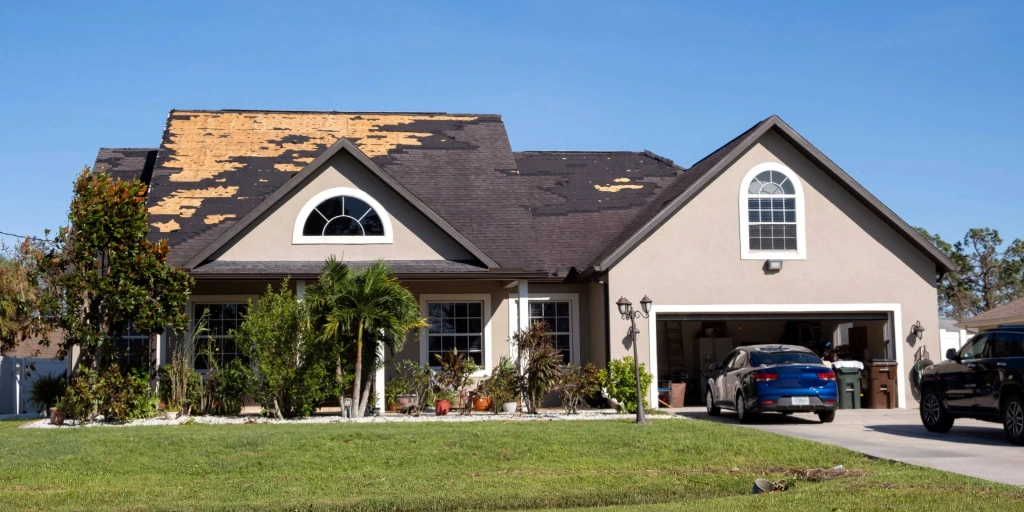
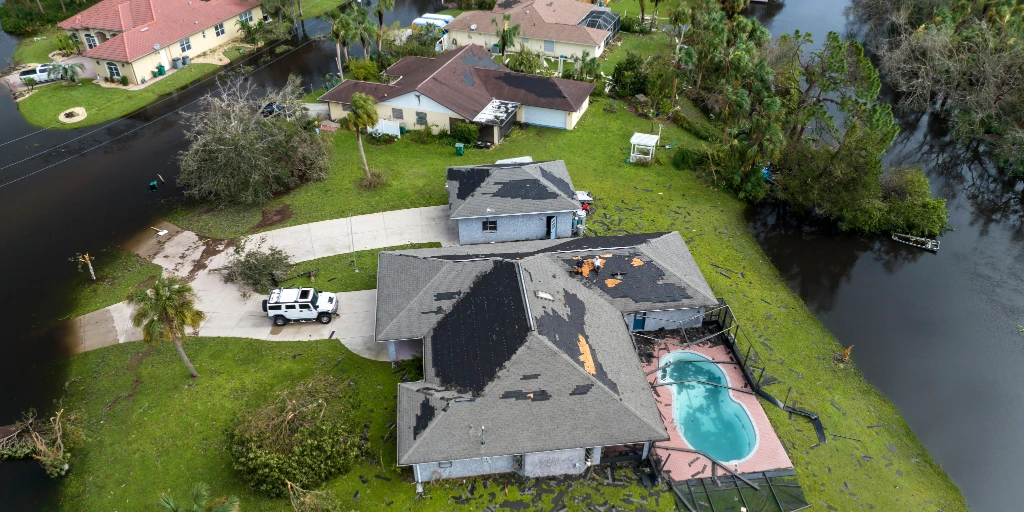
The short answer is both. Scheduling roof maintenance before hurricane season, ideally in late spring, gives a contractor the chance to secure loose materials, clear debris, and repair minor damage before storms arrive. This kind of prep work can make the difference between a roof that holds up and one that suffers major storm damage.
After hurricane season ends in the fall, it’s just as important to schedule a follow-up visit. Even if your roof looks fine from the ground, wind and rain can loosen shingles, damage flashing, or create small openings that aren’t visible without a closer look. Catching this early, before the next rainy season begins, helps avoid larger repair bills and keeps small issues from becoming structural ones. Building both visits into your annual roof inspection routine keeps your home protected year-round.
What’s the Difference Between an Inspection Visit and a Maintenance Visit?
These two terms get used interchangeably, but they serve different purposes.
What Happens During an Inspection
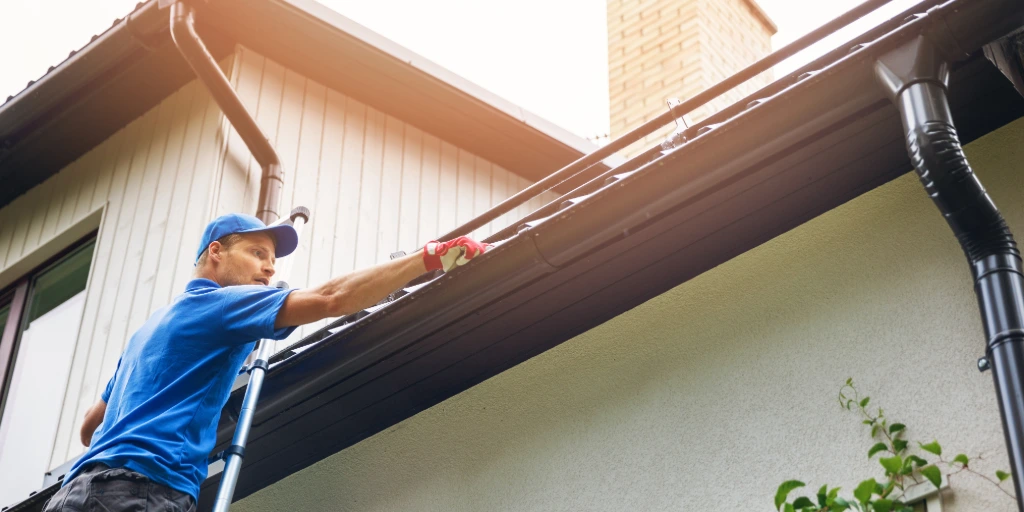
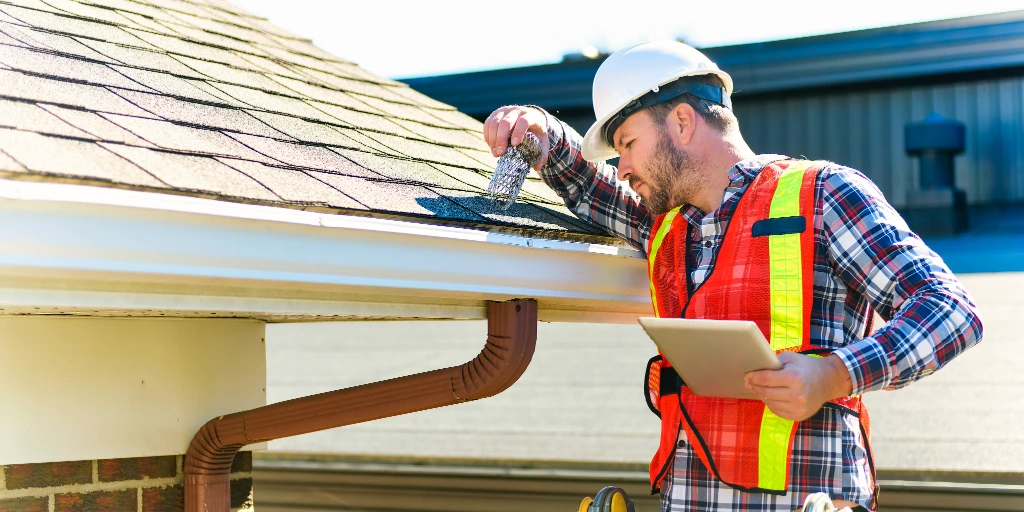
An inspection is a visual and physical assessment of your roof’s condition. A contractor checks for missing or damaged shingles, soft spots, signs of leaks, flashing issues, and general wear. The goal is to identify problems and give you an honest picture of your roof’s current state, along with recommendations for repair or replacement if needed.
What Happens During a Maintenance Visit
A maintenance visit goes a step further than an inspection. This is when small fixes actually happen, like resealing flashing, replacing a handful of damaged shingles, clearing gutters and drains, or securing loose materials. Think of maintenance as the follow-through on what an inspection uncovers. Scheduling both regularly is the best way to extend the life of your roof and avoid emergency repairs.
How Do You Know If Your Roof Is Overdue for Maintenance?
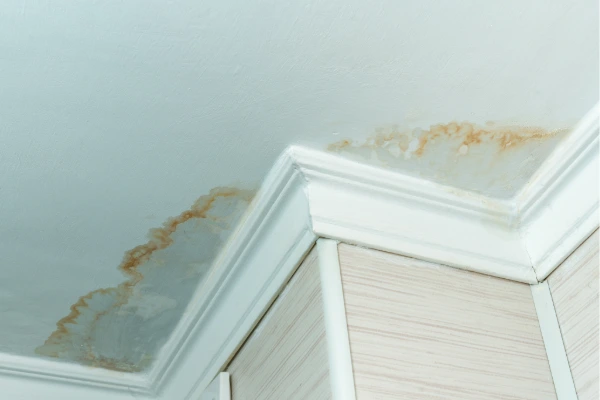
Some signs are easy to spot from the ground, while others require a closer look. Missing, curling, or cracked shingles are a clear signal that your roof needs attention. Granules collecting in gutters or around downspouts often mean your shingles are breaking down faster than expected. Water stains on ceilings or in the attic point to a leak that’s already made its way inside, which usually means the roof has gone too long without a check-up. Sagging areas, visible daylight through the attic, or a significant increase in energy use can also point to roof problems that maintenance would have caught earlier. If it’s been more than a year since your last roof inspection, or if your home recently went through a storm, it’s a good idea to schedule a visit soon rather than waiting for a bigger problem to show up.
Building a Roof Maintenance Schedule That Works for Your Home
Every roof is different, and the right maintenance schedule depends on the materials used, the age of your roof, and how much exposure it gets to the sun and storms. As a general rule, plan for two roof maintenance visits per year, one in spring and one in fall, with extra check-ups after any major storm. Keep a simple record of past inspections and repairs so you and your contractor can track how your roof is holding up over time. This makes it easier to plan ahead for a roof replacement down the road, rather than being caught off guard by sudden damage. A little attention to your roof now can save a lot of money later.
Protect Your Investment with Alan’s Roofing
A roof maintenance routine is one of the easiest ways to avoid unexpected repair costs. With Florida’s sun, rain, and storm season all working against your roof year-round, staying on a regular schedule makes all the difference. Alan’s Roofing has been helping homeowners across Central Florida with residential roofing, inspections, and maintenance since 1987. Our fully licensed and insured team works directly for us, so you always know who’s on your roof. We also offer financing options through Regions Bank to make roof repairs and replacements easier to afford. Contact Alan’s Roofing today to schedule your roof inspection and take the first step toward a roof that lasts.