When most property owners think about roofing, they picture the shingles on their home. But walk past any warehouse, office building, or shopping center, and you’ll notice something different overhead. Commercial and residential roofs serve the same basic purpose—protecting everything underneath—but they’re designed, built, and maintained in distinctly different ways.
At Alan’s Roofing, we understand that not all roofs are created equal. Residential and commercial properties require different roofing designs that impact installation, materials, and long-term performance. Understanding these distinctions helps property owners make smart decisions about repairs, replacements, and maintenance, whether you own a home or a business in Central Florida.
Differences in Installation
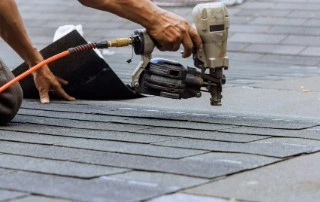
Residential roofs are typically smaller and more straightforward to install. Roofers navigate around chimneys, skylights, and vents, and can often complete a residential roof replacement in just a few days.
Commercial roofing demands a different level of expertise. These projects involve working around HVAC systems, air-handling units, smokestacks, and complex drainage systems. The larger scale and technical requirements mean installation can take weeks rather than days.
Key installation differences include: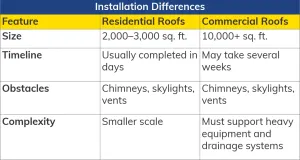
- Roof size: Commercial roofs often exceed 10,000 square feet, while residential roofs typically range from 2,000 to 3,000 square feet.
- Complexity: Commercial roofs must support heavy equipment and drainage components.
- Timeline: Residential installations take days, while commercial systems can take weeks, depending on size.
- Obstacles: Residential roofs feature chimneys and skylights, while commercial roofs require working around ventilation systems and rooftop equipment.
Differences in Design and Roofing Materials
The slope of a roof determines which materials work best, and this is where residential and commercial systems diverge significantly.
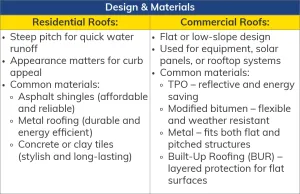
Residential roofs feature steep, pitched angles that allow rainwater to run off quickly. Because they’re visible from the street, appearance plays an important role in residential roofing decisions.
Common materials include:
- Asphalt shingles: One of the most economical and widely used materials for homes
- Metal roofing: Known for its impressive durability, energy savings, and long service life
- Concrete or clay tiles: Ideal for Florida homes that need both style and strength
Homeowners can choose from various shingle colors, textures, and materials to match their property’s architecture and boost curb appeal.
Commercial roofs use flat or low-pitch roof structures, creating functional space for solar panels, air-conditioning units, or even rooftop gardens. Because these roofs cover significantly more square footage and must support the weight of equipment, they require materials designed to create watertight seals rather than relying on gravity for drainage.
Common materials include:
- TPO (Thermoplastic Polyolefin): Lightweight, reflective, and energy efficient
- Modified bitumen: Flexible and weather-resistant for low-slope designs
- Metal roofing: Provides a long-lasting option for both flat and steep-slope structures
- Built-up roofing (BUR): Traditional multi-layer system for flat commercial applications
Climate conditions, cost considerations, and architectural style all play a role in choosing the right roofing material. An experienced roofing company can help you compare options that deliver lasting protection and value.
Differences in Maintenance
Because of their flat or low-slope design, commercial roofs require more frequent maintenance than residential roofs. These surfaces collect debris and water more easily, making proper drainage systems critical. Regular inspections help prevent leaks and damage before they become costly problems.
Residential roofs benefit from their steeper pitch. Gravity helps water and debris slide off naturally. While smaller in scale, they still need routine care, especially after severe storms. Catching small issues early can prevent expensive repairs down the road.
Side note: Central Florida’s combination of intense UV exposure, afternoon thunderstorms, and occasional hurricanes means both residential and commercial roofs face accelerated wear compared to other regions. Scheduling regular roof inspections allows small issues to be found and fixed before they lead to costly damage.
Maintenance best practices for both roof types include:
- Schedule inspections twice per year, once before hurricane season and again afterward
- Clean gutters and downspouts to prevent standing water and potential leaks
- Repair minor issues quickly before they spread to larger areas of the roof
- Check flashing and seals around chimneys, skylights, vents, or HVAC units
- Keep your roof clear of leaves and debris to reduce moisture retention and extend its lifespan
Following these practices helps homeowners and business owners stay ahead of problems and extend the life of their roofing system.
Why Understanding the Difference Matters
Knowing these differences helps you find a contractor who specializes in your roof type and understand why certain materials or maintenance schedules make sense for your building. A roof is more than a covering. It’s a system designed specifically for either residential or commercial demands.
For homeowners, that means safeguarding your family and belongings from the elements. For business owners, it means protecting equipment, inventory, and employees while maintaining operational continuity. Each structure requires materials and installation techniques designed to handle specific needs, and cutting corners or choosing the wrong approach can result in costly failures.
These fundamental differences also explain why you need a contractor experienced in your specific type of roof. A company skilled in residential shingle installation may lack the knowledge to properly install commercial membrane systems, and vice versa.
Property owners should look for contractors who:
- Are licensed, insured, and certified by trusted manufacturers like Owens Corning
- Offer inspections, repairs, and full replacement services
- Provide financing options for roof replacements or upgrades
Work With a Trusted Central Florida Roofing Company
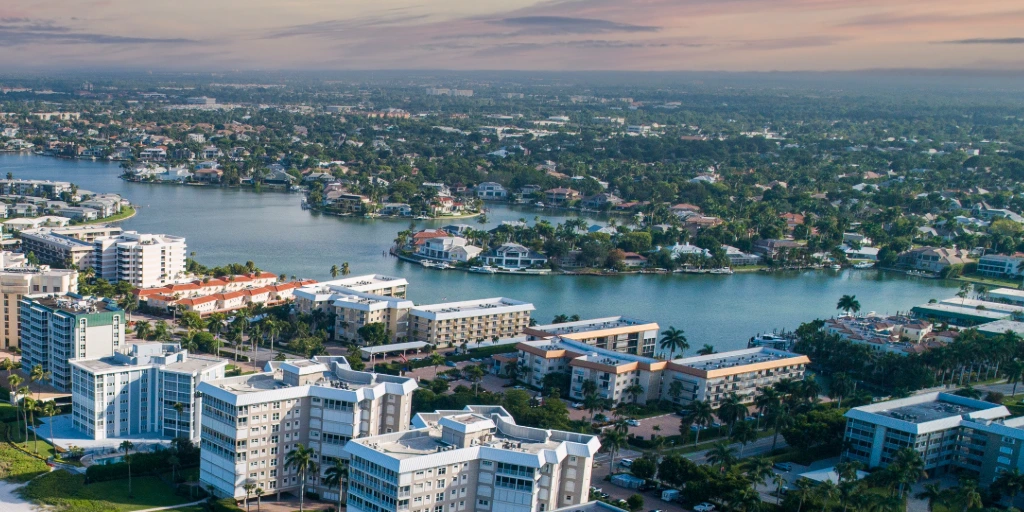
If you own a home or business in Central Florida, Alan’s Roofing has the experience and skill to handle both residential and commercial roofing projects. Since 1987, our family-owned company has built a reputation for quality work and exceptional customer service throughout Port Charlotte, Orlando, Tampa, and surrounding communities.
Our team provides reliable repairs, replacements, and inspections using top-quality materials from manufacturers like Owens Corning. We’re fully licensed and insured, and all our employees work directly for Alan’s Roofing. We never use subcontractors.
We offer free estimates and flexible financing options through EnerBank to make roof replacements and upgrades more affordable. Whether you need emergency storm repairs, a routine inspection, or a complete roof replacement, our consultants are here to provide honest advice and excellent workmanship.
Need expert guidance for your roofing project? Call Alan’s Roofing today or request a free quote online to get started.